

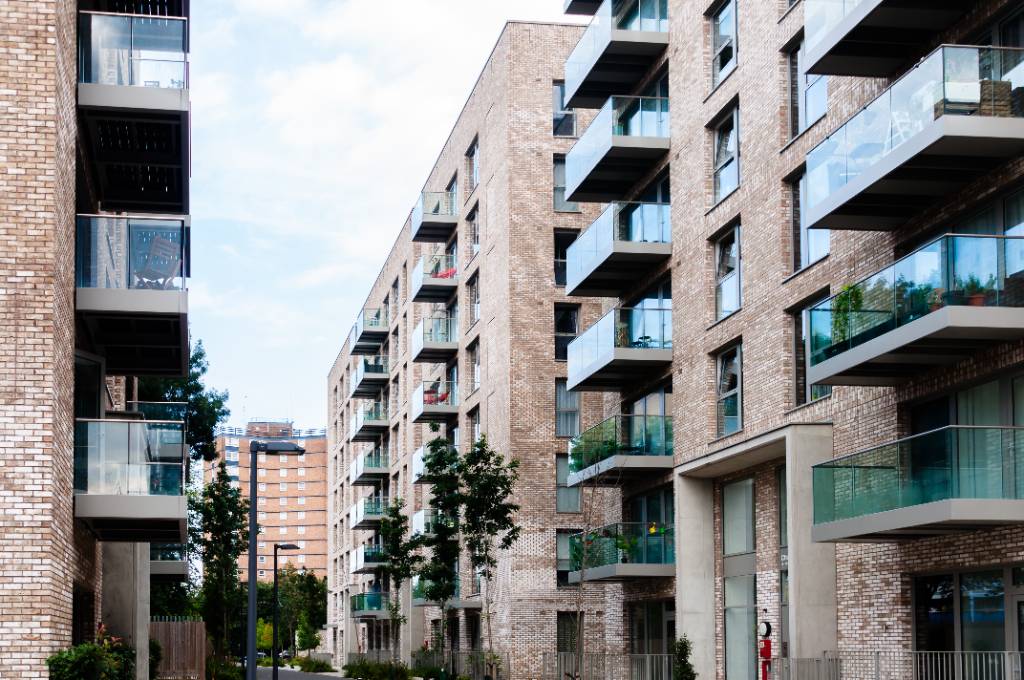
Luke Nordcross-Evans, Product Development Executive at Aico, explores the hidden risks of radon and how continuous monitoring can support housing providers with proactive hazard management and evolving regulatory responsibilities requirements.

Most people go through life without thinking about radon. This invisible, odourless noble gas cannot be detected without specialist equipment, yet it is estimated to cause around 1,100 deaths in the UK each year. For context, that is equivalent to roughly two-thirds of the number of people killed on roads in Great Britain during 2025.
With awareness increasing and regulation placing greater emphasis on housing hazards, social landlords need a clear strategy for identifying and managing radon risk.
An Invisible Killer
Radon is a naturally occurring radioactive gas produced as small amounts of uranium decay in rocks and soil, particularly in areas with granite or shale. Levels vary considerably across the UK, and housing providers can use the UKHSA radon map to understand the potential risk in a particular area before arranging more detailed testing.
Radon can accumulate inside homes, particularly during winter when heating creates pressure differences that draw air from the ground into a building while windows and doors remain closed. Residents will not notice elevated levels, but prolonged exposure can increase the risk of lung cancer. Cancer Research UK estimates that around 5% of lung cancer cases in the UK are linked to radon, with the risk significantly higher for people who smoke.
The average radon level in UK homes is around 20 Bq/m³. UKHSA sets an Action Level of 200 Bq/m³, above which it recommends action to reduce radon, and a Target Level of 100 Bq/m³ for remediation and preventative work. Where readings sit between these levels, remedial action should still be considered.
How Housing Providers are Managing Radon
Because radon is invisible and odourless, testing is essential. One common method is a single-use radon detector. These are usually installed in a property for around three months before being returned to an approved laboratory for analysis, providing an average reading over the test period.
An alternative is continuous radon monitoring. These devices remain in the property and record readings over time, giving housing providers greater visibility of changes in radon levels, including seasonal variation. Continuous monitoring can also reduce the need for repeated contractor visits and multiple single-use detectors.
However, the quality of the equipment is important. Consumer-grade devices may not always offer the accuracy, reliability or level of data required for professional housing applications, so landlords need to consider whether a sensor is suitable for the decisions being made from its readings.
Where elevated radon levels are identified, mitigation is required. A common solution is a radon sump, which uses a fan to extract radon from beneath the building before it can enter the property. Other ventilation measures may also be appropriate depending on the construction and circumstances of the home.
Looking Towards Awaab’s Law
Radon sits within the Radiation hazard under the Housing Health and Safety Rating System. It is therefore expected to fall within Phase 3 of Awaab’s Law in England, currently due to come into force in 2027.
Awaab’s Law introduces strict requirements for social landlords to investigate and address hazards within defined timescales. Phase 1 already covers damp and mould alongside emergency hazards, increasing pressure on landlords to identify risks earlier and respond efficiently.
For some housing providers, environmental monitoring is becoming part of this more proactive approach. Technologies such as Aico’s HomeLINK system can help landlords use property data to identify homes that may need further investigation and prioritise maintenance before issues escalate.
Radon presents a different challenge because there may be no visible signs that a property has a problem. With publicly available risk mapping and consumer air-quality sensors becoming more common, landlords will increasingly need to demonstrate that they have a reliable process for identifying higher-risk homes and responding appropriately.
There is also the question of what happens after remediation. Awaab’s Law requires landlords to take steps to make a property safe and prevent hazards recurring. For radon, this means not only installing mitigation measures, but also checking that they are working effectively.
The Benefits of Continuous Monitoring
Continuous monitoring can complement traditional radon testing by showing how levels change over time rather than providing only a fixed-period average. This can help landlords identify unusual patterns, understand seasonal changes and decide where further investigation may be needed.
It can also provide useful evidence following remediation. If a radon sump or ventilation measure has been installed, ongoing readings can show whether concentrations are falling and whether the intervention continues to perform as intended. Formal retesting may still be required, but continuous data can give housing teams additional insight between inspections.
Across a larger housing stock, this visibility may help landlords prioritise properties, target resources more effectively and move from reactive testing towards a more informed approach to hazard management.
As awareness of radon grows and regulatory expectations develop, reliable information will become increasingly important. Continuous monitoring will not replace every established testing method, but it has the potential to become a valuable part of a wider radon management strategy, helping housing providers identify risk earlier, assess interventions and maintain safer homes for residents.
To find out more about Aico click here